What is Aerospace Engineering? Complete Guide for Beginners

Pratik Kadam
Author
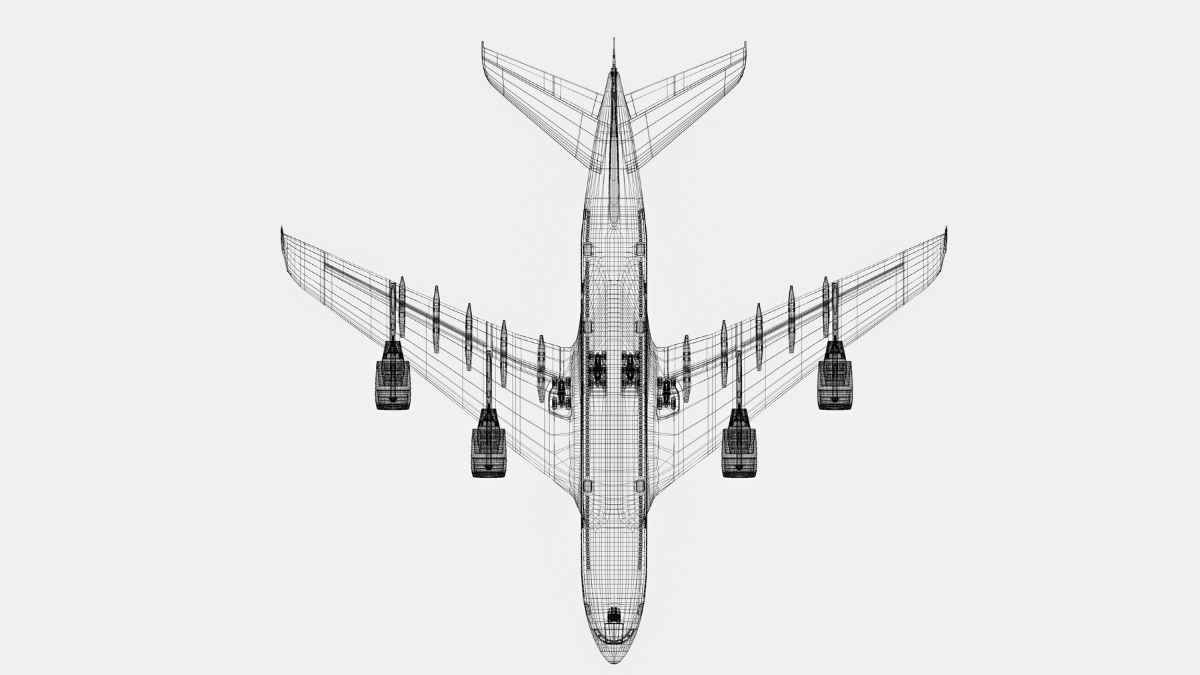
Are you fascinated by airplanes, spacecraft, as well as cutting-edge technology? If so, aerospace engineering might be the perfect career for you. This field blends engineering, physics, and also innovation to design and develop aircraft, satellites, and missiles.
In this blog, we’ll explore what aerospace engineering is, who should pursue it, and why it’s an exciting career path. Whether you’re a student, career switcher, parent, or counselor, this guide will help you understand the field better.
What is Aerospace Engineering? Understanding the Basics
Aerospace engineering specifically is a branch of engineering focused on designing, building, and maintaining aircraft and spacecraft. It has two main branches generally:
- Aeronautical Engineering – Deals with aircraft operating within Earth’s atmosphere (e.g., airplanes, helicopters).
- Astronautical Engineering – Focuses on spacecraft and space exploration (e.g., rockets, satellites).
Aerospace engineers particularly solve complex problems related to aerodynamics, propulsion, materials, and control systems. They indeed ensure that flying machines are safe, efficient, and technologically advanced.
“The important thing is to never stop questioning. Curiosity has its own reason for existing.” – Albert Einstein
Why Study Aerospace Engineering? Key Benefits

If you love problem-solving, innovation, and aviation, aerospace engineering offers incredible opportunities. Here’s why you should consider this field:
1. High Demand and Lucrative Salaries
The aerospace industry is significantly growing rapidly, with increasing demand for skilled engineers. According to the U.S. Bureau of Labor Statistics, aerospace engineers certainly earn a median salary of over $122,000 per year.
2. Cutting-Edge Technology and Innovation
Aerospace engineers generally work on advanced projects, from supersonic jets to Mars rovers. If you enjoy research and development, this field will keep you engaged.
3. Global Career Opportunities
Aerospace companies like NASA, SpaceX, Boeing, and Airbus hire engineers worldwide. As a result, you could find yourself working in diverse fields such as defense, space exploration, or commercial aviation.
4. Contribution to Society
Aerospace advancements consequently improve air travel safety, satellite communications, and even climate monitoring. Your work could eventually impact millions of lives.
Who Should Consider Aerospace Engineering?
Confused if Aerospace Engineering is really the right field for you or not? Here are some characteristics which would further confirm the same about aerospace engineering:
For Students
- You love math, physics, and also problem-solving.
- You’re fascinated either by aircraft, space missions, or drones.
- You enjoy hands-on projects and teamwork.
- You want not only a challenging but also rewarding career.
For Parents & Counselors
- Firstly, your child excels in STEM subjects.
- Secondly, they show curiosity about flight and technology.
- Lastly, they need a stable, high-paying career path.
If these traits match with you, aerospace engineering could be a perfect fit.
What Does an Aerospace Engineering Program Cover?

A typical aerospace engineering degree includes subjects like:
Core Subjects in Aerospace Engineering
- Aerodynamics – Study of air movement and flight mechanics.
- Propulsion Systems – Engines, rockets, and fuel efficiency.
- Structural Design – Materials and frameworks for aircraft.
- Flight Dynamics & Control – Stability and navigation systems.
- Spacecraft Engineering – Orbital mechanics and satellite design.
Practical Training & Projects
Most programs include labs, internships, and capstone projects. Students often build drones, rockets, or flight simulators. Hands-on experience is crucial.
Top Career Paths in Aerospace Engineering
After graduation, aerospace engineers work in various roles:
1. Aircraft Design & Development
- Design commercial airplanes, fighter jets, or drones.
- Improve fuel efficiency and safety features.
2. Space Exploration & Satellite Technology
- Work with NASA, SpaceX, or ISRO on space missions.
- Develop satellites for communication or weather tracking.
3. Defense & Aviation Technology
- Create missile systems, radar tech, or unmanned aerial vehicles (UAVs).
- Collaborate with defense agencies and aviation firms.
4. Research & Academia
- Conduct advanced aerospace research.
- Teach at universities or engineering colleges.
How to Become an Aerospace Engineer?
1: Choose the Right Degree Program
- Pursue a Bachelor’s in Aerospace Engineering (B.Tech/B.E.).
- Alternatively, study Mechanical or Electrical Engineering with appropriate electives.
2: Gain Practical Experience
- Complete internships at aerospace firms.
- Participate in student competitions like NASA Rover Challenge.
3: Consider Advanced Studies (Optional)
- A Master’s or PhD can open doors to research and specialized roles.
4: Get Certified
- Obtain licenses like Professional Engineer (PE) for higher credibility.
Best Colleges Globally
Some of the top institutions globally include:
- Massachusetts Institute of Technology (MIT) (USA)
- Stanford University (USA)
- University of Cambridge (UK)
- Nanyang Technological University, Singapore (NTU Singapore)
- Harvard University (USA)
For more information and options, visit Top Engineering Colleges.
Final Thoughts
Aerospace engineering is challenging but highly rewarding. It’s ideal for those who love innovation, technology, and flight. With high salaries, global opportunities, and societal impact, this field offers a fulfilling career.